Hidden Per-User Costs That Companies Ignore When Scaling

As a business grows, software slowly becomes one of the biggest monthly expenses. Many founders and business owners do not notice this in the beginning. But there is one major reason for this increase: hidden per-user costs. These charges look small at first, but once your team crosses 50, 100, or even 200 employees, the total cost becomes unexpectedly high.
In this blog, you will learn about the hidden costs and how they impact growing companies. You will also see why picking the right SaaS pricing model can help protect your budget. Finally, you will understand how flexible business tools such as Open Core Business Suite can reduce unplanned spending and make scaling smoother.
What Are Hidden Per-User Costs in SaaS?
Per-user pricing seems simple:
“You pay for every employee who uses the tool.”
But many SaaS tools add extra charges in smaller layers. Although these charges look harmless individually, they multiply fast when your team grows. These hidden costs usually include:
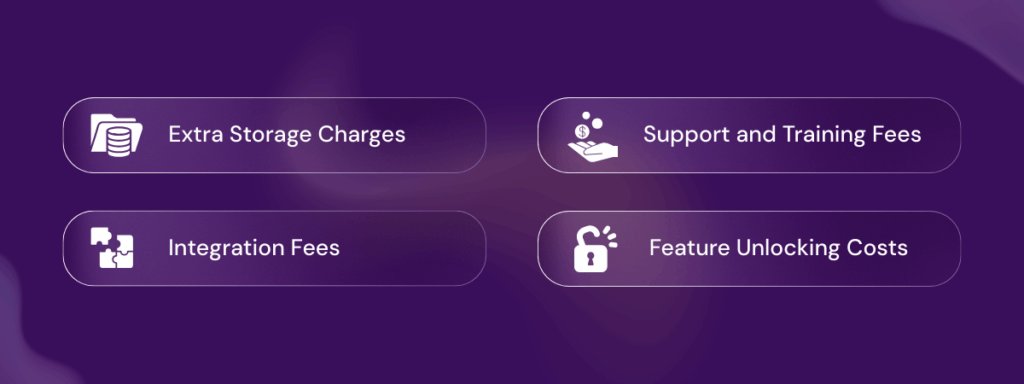
Extra Storage Charges
Most tools offer limited free storage. Once your team uploads more files, reports, or images, the tool automatically charges for extra space, often on a per-user basis.
Integration Fees
Connecting the tool with CRM, payroll, biometrics, WhatsApp, or accounting systems may require additional per-user licenses.
Support and Training Fees
Some platforms charge additional fees for advanced onboarding, priority support, and training sessions for every new user you add.
Feature Unlocking Costs
A few important features like automation, role management, or custom workflows may only activate after paying per-user upgrades.
Why Companies Ignore These Costs While Scaling
When the team is small, these costs feel manageable. However, once your team grows, the per-user model becomes difficult to control. Here’s why:
Small Costs Add Up Without Notice
A simple ₹300–₹500 per user per month becomes ₹30,000–₹50,000 when your team reaches 100 users.
Budgeting Becomes Unpredictable
Your finance team cannot calculate next month’s SaaS bill accurately because it depends on user activity.
Departments Keep Adding New Users
HR, accounts, sales, operations everyone needs access. Slowly, the license count increases across teams.
Expansion Becomes Expensive
Even when you hire 10 new employees, your software bill shoots up immediately. This slows down your scaling process.
Real Impact on Growing Companies (100+ Employees)
Growing businesses with 100+ staff often depend on HRMS, attendance, payroll, asset tracking, project tools, and field-management systems. These tools are used every day, so they quickly become essential.
However, when these platforms follow per-user pricing, the cost rises fast.
- First, HR teams must pay for every new employee added to the system.
- Next, field teams increase the cost even more because each user needs tracking access.
- Additionally, remote and contract staff also require logins, which adds to the total expense.
- As a result, monthly SaaS bills become unpredictable and difficult to justify.
All these hidden increases directly impact your revenue, budgeting, and long-term cost planning.
How to Avoid Hidden Per-User Costs
To avoid unnecessary SaaS expenses, companies can follow simple strategies:
Choose Transparent Pricing Tools
Select platforms that openly show all costs without extra add-ons.
Prefer Fixed or Unlimited User Models
This helps you scale your team without worrying about additional charges.
Evaluate the Total Cost of Ownership (TCO)
Don’t look at the monthly subscription alone; check the long-term cost for 1 year or 3 years.
Pick Scalable All-in-One Systems
Instead of paying for 6 different tools, choose a single suite that covers multiple needs.
How Open Core Business Suite Saves You From Per-User Pricing
Many growing businesses choose Open Core Business Suite because it provides:
- Unlimited users without per-user charges
- HRMS, payroll, accounting, attendance, and field operations in one platform
- Fixed, predictable cost even as your team grows
- No hidden storage.
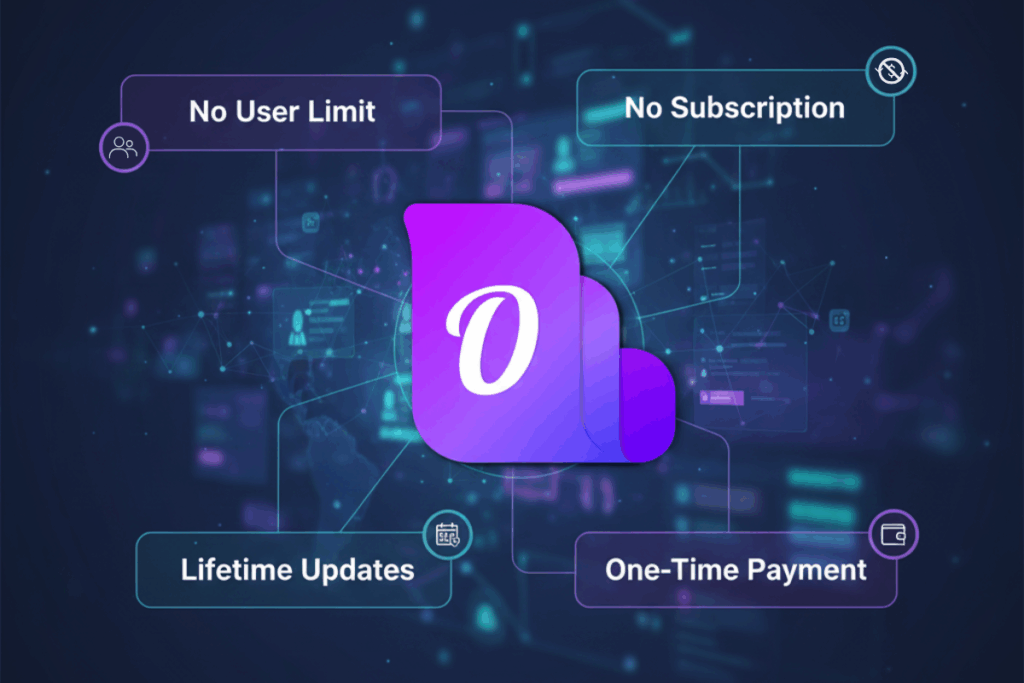
This means companies with 50, 100, or even 300+ employees avoid unexpected monthly bills and scale easily without cost pressure.
Final Thoughts
Hidden per-user costs may seem small individually, but as your company grows, they can quickly become one of your highest recurring expenses. Forward-looking business owners and decision-makers must think beyond the base plan price and consider long-term software spend.
Therefore, while selecting SaaS tools, favor transparent pricing, fixed rates, and unlimited-user models. These choices give you better control and let you scale with confidence. Also, keep in mind that digital transformation doesn’t always require complex IT for SMEs; it often means embracing simple, unified business tools that simplify daily operations. For a deeper look at how SME-friendly digitization works, you can read “What Digital Transformation Really Means for SMEs”
- The Rise of TypeScript: Why Developers Love It

- Top 5 Strategies to Maximize Customer Loyalty Through Reward Programs

- Field Operations Challenges in Service Businesses | 2025 Guide

- Microsoft $17.5B AI Bet in India: What Businesses Gain

- 2025 HRMS Guide: Must-Have Features for SMEs

- Hidden Per-User Costs That Companies Ignore When Scaling