2025 HRMS Guide: Must-Have Features for SMEs
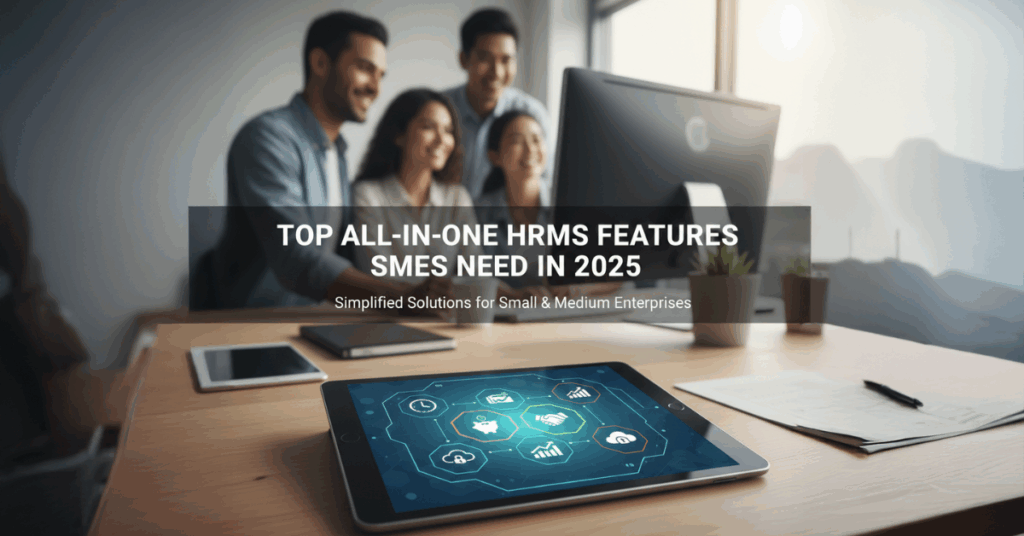
Managing teams in 2025 is very different from the past. Moreover, businesses now work with hybrid teams, digital workflows, and employees spread across multiple locations. Therefore, HR departments must handle attendance, payroll, compliance, and even field activities at the same time. As a result, SMEs need HR software that is smart, simple, and all-in-one.
In 2025, HR is not just about managing people it’s about managing data, movement, and efficiency.
Still, many business owners ask the same question:
Which HRMS features actually matter for my company?
This guide clearly explains the top HRMS features SMEs should prioritize in 2025, along with simple examples.
Why HRMS Matters for SMEs in 2025
Manual HR processes are slow, error-prone, and difficult to scale. In addition, SMEs face several challenges, including:
- Tracking attendance across hybrid teams
- Managing payroll accurately
- Monitoring field staff productivity
- Keeping documents and assets organized
However, many SMEs still use multiple disconnected tools, and this increases costs and reduces efficiency. This is exactly why unified HRMS platforms are becoming essential.
Top 15 HRMS Features Every SME Should Use
1. Smart Attendance Tracking
Attendance is the foundation of HR operations. Manual registers and punch machines are no longer reliable. Moreover, modern SMEs need error-free, real-time attendance data.
Why it matters:
- Eliminates manual entry errors
- Automatically syncs with payroll
- Improves HR efficiency
2. Employee Self-Service (ESS)
Employees can manage routine HR tasks themselves. Additionally, it gives them more confidence and transparency.
Why it matters:
- Saves 2–3 hours of HR work daily
- Provides instant access to payslips and leave balances
- Reduces dependency and delays
3. Automated Payroll Processing
Payroll errors reduce trust and affect compliance. Therefore, automation becomes essential.
Why it matters:
- Auto-calculates salaries
- Applies OT, deductions, and leave rules
- Instantly generates statutory reports
4. Leave & Regularization Workflow
Approvals become faster and more transparent. In addition, HR teams avoid juggling WhatsApp and email requests.
Why it matters:
- No more manual request channels
- Maintains a clear leave history
- Speeds up approvals
5. Live Location Tracking for Field Staff
Essential for sales, service, or delivery teams. Furthermore, it increases accountability.
Why it matters:
- Shows real-time movement
- Verifies visits and travel
- Improves accountability
Real Example:
A service company increased daily task completion by 40% after implementing live tracking.
6. Project & Task Management
HRMS now supports daily task and project tracking. Consequently, teams stay more organized.
Why it matters:
- Assign tasks quickly
- Track progress easily
- Increases team productivity
7. Asset Management
Untracked assets often create financial losses. Therefore, having a proper asset system is crucial.
Why it matters:
- Records devices, laptops, and equipment
- Tracks employee usage
- Reduces loss and misuse
8. Digital Document Vault
Eliminate scattered files across email and devices. Additionally, it boosts audit readiness.
Why it matters:
- Securely stores employee documents
- Helps during audits
- Improves compliance
9. Automated Notifications
Avoid manual follow-ups for approvals and tasks. As a result, workflows run smoother.
Why it matters:
- Sends reminders for leave, tasks, and payroll
- Reduces delays
- Keeps processes organized
10. Analytics & Reporting
Data-driven decisions improve efficiency. In fact, SMEs rely heavily on insights.
Why it matters:
- Shows attendance patterns
- Tracks productivity
- Helps plan hiring and budgeting
11. Recruitment & Onboarding
Recruiting and onboarding new employees efficiently is critical. Moreover, structured workflows reduce drop-offs.
Why it matters:
- Streamlines hiring
- Tracks candidates
- Speeds up onboarding
- Ensures policy compliance
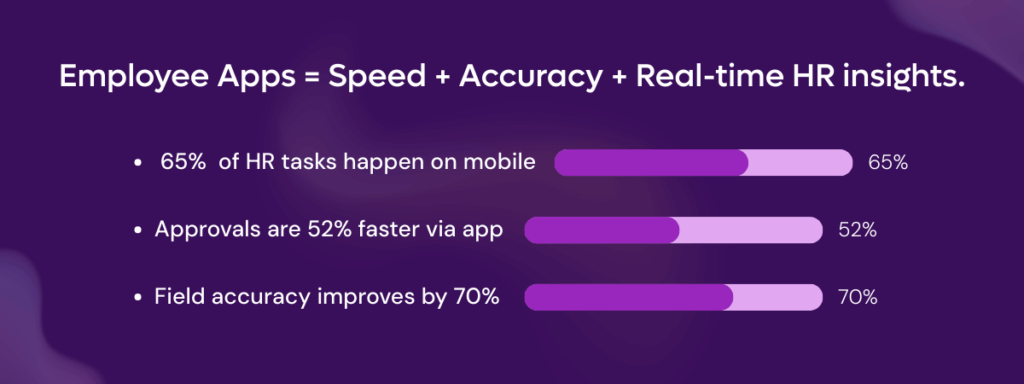
12. Mobile-First Access
Employees and managers can work on-the-go. Therefore, adoption becomes effortless.
Why it matters:
- Update attendance instantly
- Approve requests from anywhere
- Increases usage and engagement
13. Role-Based Access Control
Data security is crucial. Furthermore, SMEs must protect sensitive employee information.
Why it matters:
- Restricts access based on roles
- Protects sensitive data
- Reduces internal risks
14. Performance
HR now drives business outcomes, not just records. As a result, performance tools are essential.
Why it matters:
- Tracks goals and achievements
- Supports appraisals
- Encourages accountability
15. Unlimited User-Friendly Pricing
Per-user pricing becomes expensive as teams scale. Hence, unlimited user is more SME-friendly.
Why it matters:
- Predictable monthly cost
- Perfect for growing teams
- Avoids surprise expenses
Why These Features Matter for SMEs in 2025
SMEs now manage hybrid teams, remote workers, field staff, and contractors. HR departments handle compliance, payroll, and administration simultaneously.
Therefore, an HRMS in 2025 must be:
- Easy to use
- Mobile-first
- Affordable
- All-in-one
- Scalable
Unified platforms simplify operations, reduce costs, and increase efficiency.
Unified Systems & How They Save Money
Platforms like Open Core Business Suite open-source software combine attendance, payroll, field tracking, task management, and employee management into one system.
To know more, you can try the free demo today.

Benefits:
- Avoid per-user pricing surprises
- Simplify HR operations
- No monthly subscription
- Seperate Application
- 30+ premium Addons
- Open Source Software
- Life time updates
For a deeper understanding, also read:
👉 What Digital Transformation Really Means for SMEs
- The Rise of TypeScript: Why Developers Love It
- Top 5 Strategies to Maximize Customer Loyalty Through Reward Programs

- Field Operations Challenges in Service Businesses | 2025 Guide

- Microsoft $17.5B AI Bet in India: What Businesses Gain

- 2025 HRMS Guide: Must-Have Features for SMEs

- Hidden Per-User Costs That Companies Ignore When Scaling