When HR Tools Don’t Talk to Each Other, It’s HR Who Pays the Price
Modern HR is supposed to make work easier. We’ve got payroll software, attendance trackers, recruitment platforms, benefits portals… the list goes on. But here’s the reality: most of these t...

Modern HR is supposed to make work easier. We’ve got payroll software, attendance trackers, recruitment platforms, benefits portals… the list goes on. But here’s the reality: most of these tools don’t actually talk to each other.
The result? HR professionals spend hours jumping between systems, copying and pasting data, double-checking entries, and fixing mistakes. Instead of focusing on employees, they’re firefighting spreadsheets and mismatched reports.
And honestly, that’s not what HR signed up for.
The Reality of Data Silos in HR
Imagine this:
- An employee clocks in late – it shows up in the attendance system.
- Payroll, however, doesn’t get updated automatically.
- HR now has to manually reconcile time logs before processing salaries.
Multiply that by 100 employees, and suddenly, HR’s “strategic role” becomes a never-ending game of admin Tetris.
This problem has a name: data silos. Each system works in its own bubble, and HR bears the brunt through wasted time, duplication, and errors.
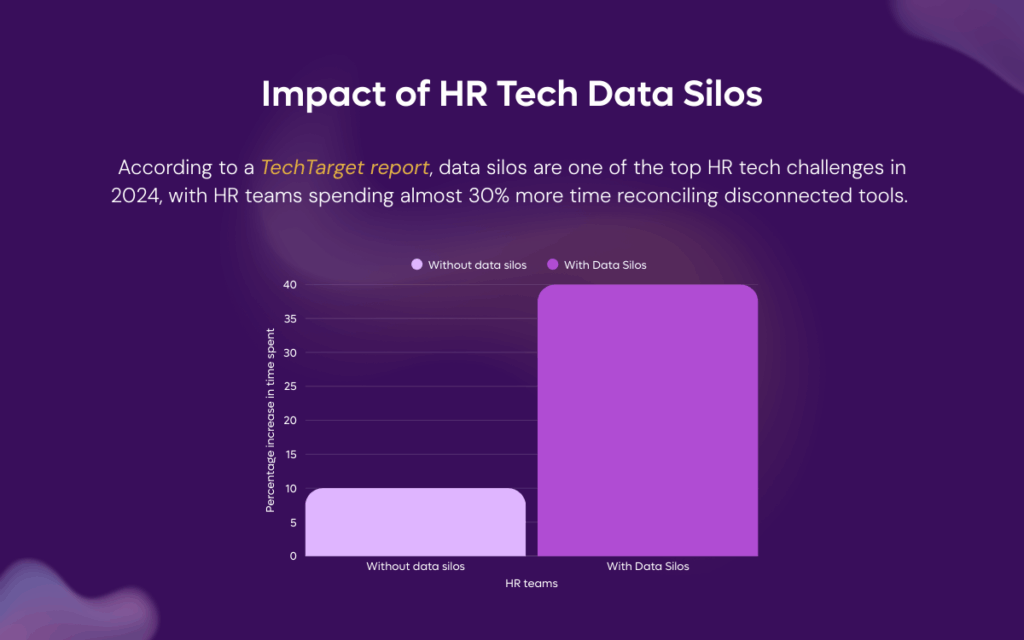
The Hidden Costs of Disconnected Tools
It’s not just about wasted hours. These silos hit harder than you think:
- Payroll Errors: Missing attendance records can lead to wrong salary slips, upsetting employees.
- Employee Frustration: Leave balances or benefits data that don’t sync make employees lose trust in HR.
- Compliance Risks: Inaccurate records increase the risk of labor law violations and audit failures.
- HR Burnout: Repetitive manual work leaves HR drained, with little energy for talent management or employee engagement.
In short: when tools don’t align, HR pays the price in time, trust, and efficiency.
What Modern HR Really Needs
It’s not that HR needs more tools. In fact, the last thing they need is another shiny platform that adds to the chaos.
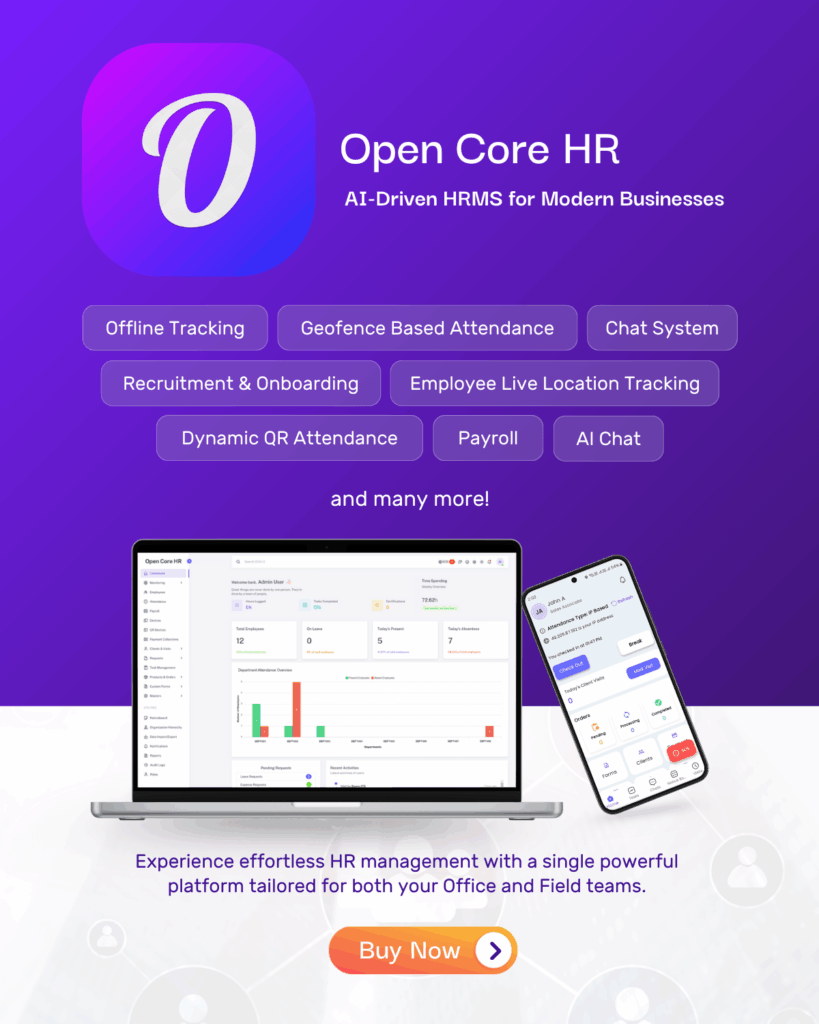
What HR really needs is a centralized solution that simplifies every aspect of HR management—and that’s exactly where Open Core HR comes in.
Open Core HR is an all-in-one software designed for better HR management. With a centralized dashboard, HR can:
- Manage employees
- Process payroll
- Hire candidates
- Handle leave , Expense and assets management and so.
all in one place with easy, streamlined workflows. No more jumping between multiple systems or reconciling mismatched data.
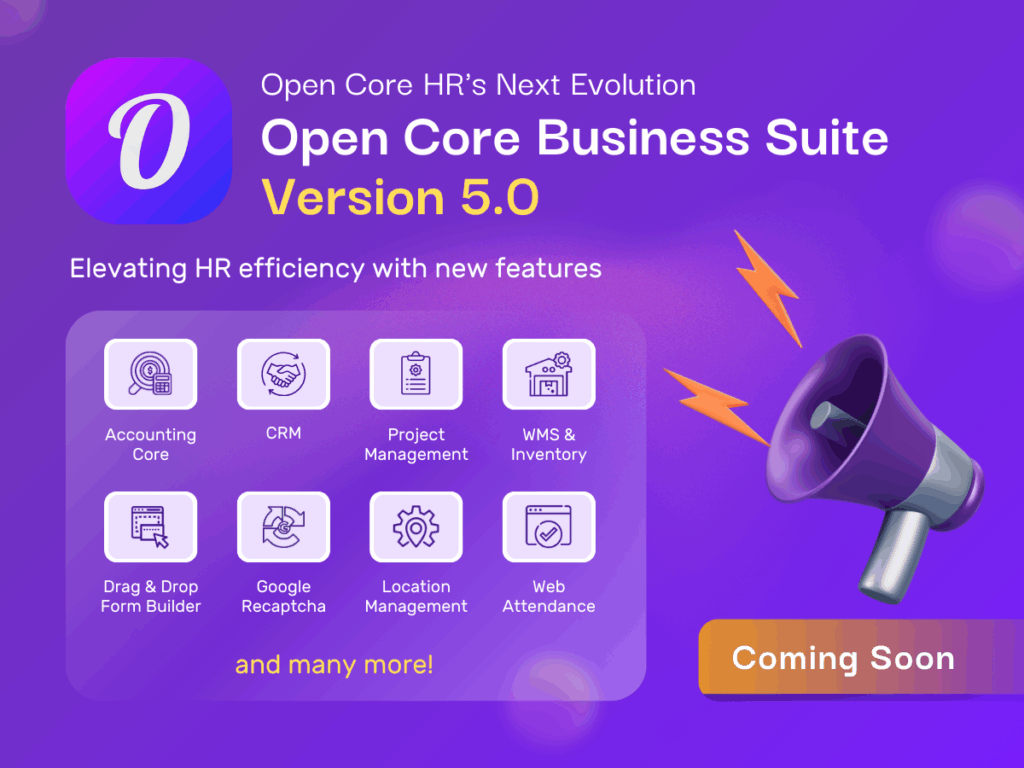
The latest V5 of Open Core HR comes with advanced AI-powered features, making it a game-changer for HR teams. These AI features help with:
- Simplifying repetitive tasks like leave approvals, attendance updates, and payroll calculations, reducing manual effort
- Predicting employee trends to improve retention and engagement
- Generating smart reports and analytics for faster decision-making
Unified Dashboards: Everything is in one place no more switching across multiple tabs or platforms.
Simplified Processes: Tasks like leave approvals, salary calculations, and compliance reports are now easier to manage, giving HR more time for strategic initiatives.
Scalability: As teams grow, the system grows with them without HR losing control or drowning in manual processes.
Explore Open Core HR here.
Final Thoughts: Streamlining HR for Better Efficiency
When HR tools don’t talk to each other, it’s not just a tech problem it’s an organizational problem. Employees feel it in errors, delays, and inefficiencies. HR professionals feel it in late nights, stress, and lack of recognition.
The solution isn’t more software it’s smarter software that actually works together. Centralized, AI-powered, all-in-one systems like Open Core HR help HR teams stop firefighting and start focusing on what truly matters: managing talent and enabling workforce efficiency.
Because at the end of the day, HR should be about optimizing workforce management not patching broken tools.
Comments 0
Sign in to join the conversation
No comments yet. Start the conversation.